
Understanding California's REG 166 lien release process is key for efficient vehicle ownership transfers. Prepare with documentation, VINs, and services like Quick Auto Tags. Identify involved parties, choose meeting times and locations, and create an agenda. Foster open communication, document discussions, and follow up on actions for successful lien releases.
Looking to streamline your construction project's post-completion processes? Efficiently managing liens is key. This guide navigates the REG 166 lien release process, detailing crucial steps from understanding regulatory requirements to effective meeting facilitation and follow-up. By gathering essential documentation, identifying all stakeholders, scheduling strategic meetings, preparing a focused agenda, and ensuring open communication, you can achieve a seamless lien release for your projects.
- Understand REG 166 Lien Release Requirements
- Gather Necessary Documentation for Release
- Identify All Involved Parties for Meeting
- Schedule a Time and Location for Conference
- Prepare an Agenda for Effective Discussion
- Facilitate Open Communication During Meeting
- Document and Follow Up Post-Meeting Actions
Understand REG 166 Lien Release Requirements

Before scheduling a meeting to discuss lien release tactics, it's crucial to understand the REG 166 lien release process. This regulatory guideline outlines the steps and requirements for effectively releasing liens on vehicles. The process involves several key components, including verifying the vehicle's ownership, ensuring all taxes and fees are paid, and providing proof of insurance. One critical aspect is understanding how to handle situations where a driver has experienced issues like lost DMV renewal notices in California or even plate replacement due to misplacement or theft.
In such cases, having access to resources like DMV duplicate title services from Quick Auto Tags can streamline the process. The team at Quick Auto Tags can assist with obtaining accurate and up-to-date information regarding a vehicle's identification number (VIN), which is essential for navigating the REG 166 lien release requirements. By familiarizing yourself with these regulations, you'll be better equipped to manage liens efficiently, avoiding potential delays or complications during the vehicle ownership transfer process in California.
Gather Necessary Documentation for Release

Before scheduling a meeting to discuss lien release tactics, it's crucial to gather all the necessary documentation. The REG 166 lien release process requires specific paperwork to ensure a smooth transition. This includes original titles, registration documents, and any proof of payment for the outstanding balance. It’s also wise to have on hand the vehicle identification number (VIN) for accurate record-keeping during the meeting.
For those looking to obtain or replace title documents, consider convenient options like ordering a duplicate title through trusted services such as Quick Auto Tags, or visiting the local DMV office in person. This proactive approach will streamline discussions about lien release and help achieve your goal of clearing any legal obstacles associated with vehicle ownership more efficiently.
Identify All Involved Parties for Meeting

When scheduling a meeting for lien release tactics, the first step is to identify all involved parties. This process involves gathering a diverse group of individuals and entities with a stake in the outcome. Key participants may include the vehicle owner, lien holder, and relevant government agencies like the DMV (Department of Motor Vehicles). In some cases, insurance companies or financial institutions that have provided funding for the vehicle's purchase might also be necessary attendees.
Understanding each party’s role is crucial, especially when navigating complex REG 166 lien release process. For instance, if a lost registration card replacement is needed, the meeting should include representatives from both the owner and the DMV to streamline the process. Even if the focus isn’t solely on a lost vehicle registration card replacement, ensuring clear communication channels between all parties can expedite getting a new car title through services like Quick Auto Tags, thereby facilitating a seamless lien release.
Schedule a Time and Location for Conference
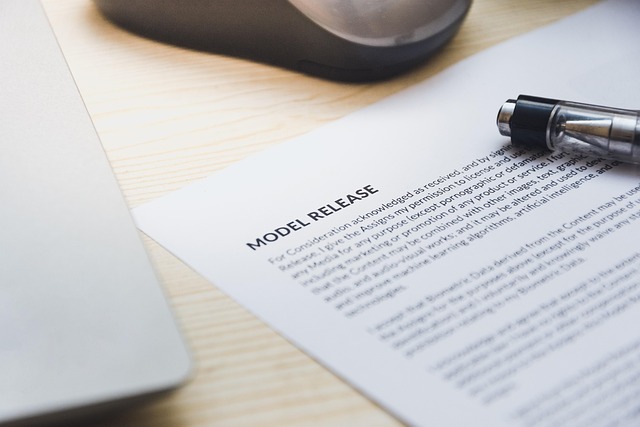
When scheduling a meeting for lien release tactics involving REG 166, the first step is to select an appropriate time and location. Choose a time that accommodates all relevant parties, considering their schedules and availability. This ensures productive discussions and facilitates seamless execution of the lien release process. A neutral, comfortable setting like a conference room at a local business center or the offices of an authorized business partner can be ideal.
Additionally, ensure the venue has adequate space for necessary equipment such as projectors or whiteboards, which can enhance collaboration. If dealing with lost registration card replacement or needing to verify Vehicle Identification Numbers (VIN), select a location that provides quick access to relevant services, like Quick Auto Tags, where lost car title replacements can be efficiently processed.
Prepare an Agenda for Effective Discussion

When scheduling a meeting to discuss lien release tactics, preparing an agenda is paramount for ensuring a productive and efficient discussion. Start by outlining key aspects of the REG 166 lien release process, as this serves as the foundation for your meeting. Incorporate sections on understanding the necessary documentation, reviewing recent changes in regulations, and exploring best practices for faster processing times.
Highlight specific points related to potential challenges faced during the lien release process, such as lost registration stickers or title bonds. Also, include a segment dedicated to discussing innovative solutions and tools available, like Fast duplicate title processing at Quick Auto Tags, which can streamline order my duplicate title requests and lost registration sticker replacements. This structured approach will guide the meeting towards actionable outcomes, ensuring every participant leaves with a clear understanding of their role in facilitating smooth lien releases.
Facilitate Open Communication During Meeting

Encouraging open communication is key to a productive meeting focused on lien release tactics. Before convening, establish clear expectations and agendas to set a collaborative tone. During the session, ensure every participant has the opportunity to voice their concerns, share insights, and contribute solutions. This inclusive approach facilitates a deeper understanding of the REG 166 lien release process, allowing for more effective strategies.
By fostering an environment where questions are welcomed and information is freely exchanged, you can navigate complex issues like lost vehicle registration card replacements efficiently. For instance, discussing recent cases of successful lien releases can inspire innovative ideas, while reviewing the steps involved in obtaining a quick duplicate title from services like Quick Auto Tags can streamline future processes.
Document and Follow Up Post-Meeting Actions

After scheduling your meeting and executing the REG 166 lien release process, meticulous documentation is paramount. Record all key discussions, decisions made, and agreed-upon actions clearly. This not only serves as a reference for future reference but also ensures accountability. Assign specific tasks with deadlines to keep everyone on track, fostering a sense of ownership and collaboration.
Following the meeting, prompt follow-up is essential. Send thank-you notes to participants, reiterate action items, and provide updates on their status. For matters related to lost car titles or DMV lost plate replacement in California, ensure you have initiated the necessary processes, such as obtaining a lost title bond. At Quick Auto Tags, we prioritize hassle-free title replacement process for our clients, ensuring a streamlined experience throughout every step.
To efficiently navigate the REG 166 lien release process, organizing a strategic meeting is paramount. By following the outlined steps—from understanding regulatory requirements and gathering essential documents to facilitating open communication and subsequent follow-up—you can ensure a smooth and successful lien release strategy. Remember, effective collaboration among all involved parties is key to achieving timely and accurate results.